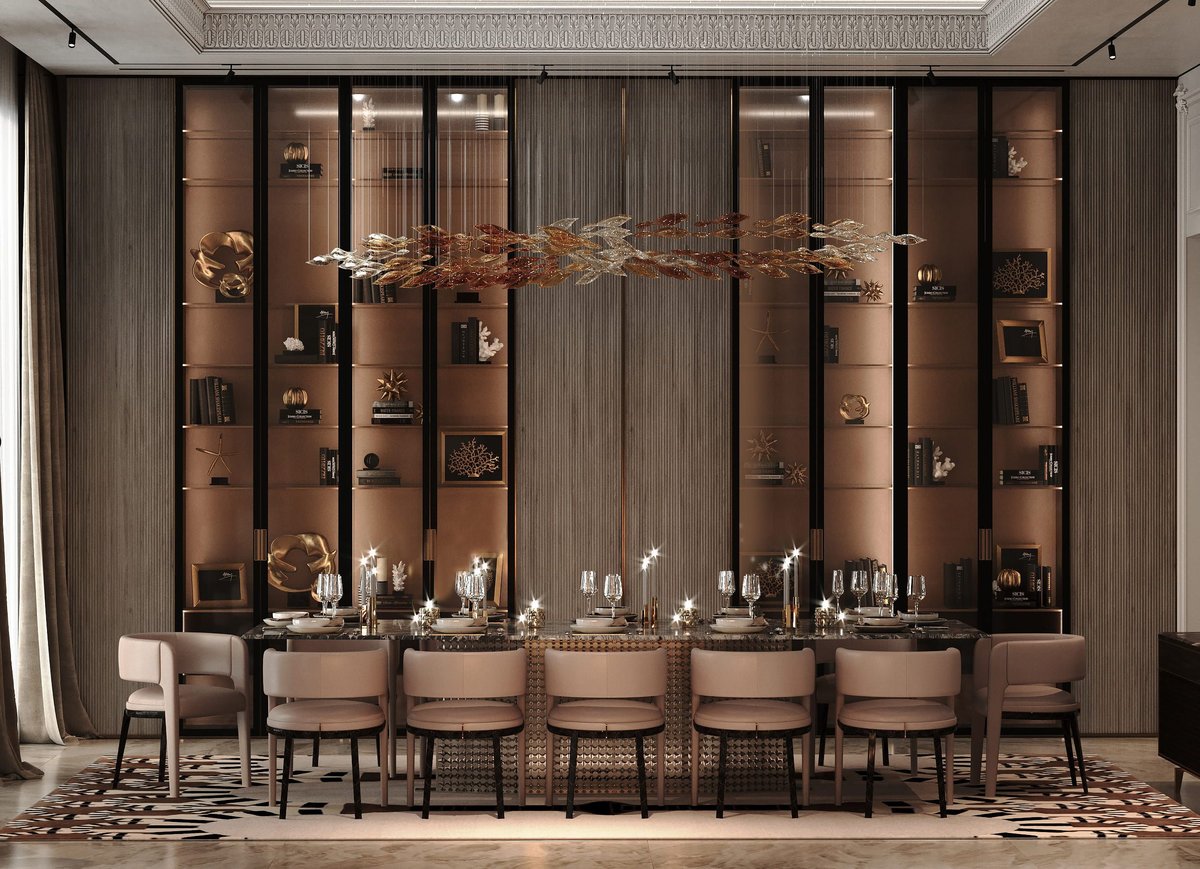
Forget the velvet ropes and astronomical prices. The notion that "fine dining" is reserved for the ultra-wealthy is a myth we’re here to debunk. In fact, a renaissance of thoughtful, accessible culinary experiences is sweeping the globe, inviting everyone to the table. Whether you're seeking to discover an exquisite meal out without breaking the bank or to transform your home kitchen into a five-star haven, mastering the art of Budget & Luxury Dining is about smart strategy, a dash of creativity, and a deep appreciation for quality and experience.
It's not about cutting corners, but rather about optimizing your choices to maximize value and sensory pleasure. Ready to indulge your palate and elevate your dining game, no matter your budget? Let’s dive in.
At a Glance: Your Guide to Affordable Fine Dining
- Redefine "Fine Dining": It's about service, ambiance, presentation, and chef's artistry, not just cost.
- Plan Strategically: Analyze menus, make smart drink choices, and set aside a dedicated dining fund.
- Hunt for Out-of-Home Deals: Leverage early bird specials, happy hours, restaurant weeks, and explore hidden gems.
- Elevate At-Home Dining: Master cooking techniques, focus on presentation, create a multi-sensory ambiance, and choose quality ingredients.
- Prioritize Value & Experience: Quality over quantity, attentive service, and savoring the moment are paramount.
Redefining Fine Dining: It's an Experience, Not Just a Bill
When you hear "fine dining," what comes to mind? White tablecloths, hushed tones, tiny portions, and eye-watering prices? While those elements can certainly be part of it, the true essence of fine dining is far more nuanced and, thankfully, more accessible than you might think.
At its core, fine dining is an experience. It’s a symphony of elements meticulously orchestrated to delight your senses. Think about it:
- The Service: Attentive, knowledgeable, anticipating your needs without being intrusive.
- The Ambiance: Lighting, music, decor – all contributing to a specific mood and atmosphere.
- The Presentation: Food as art, carefully plated with an eye for color, texture, and form.
- The Chef's Artistry: Innovative techniques, unexpected flavor combinations, and a deep respect for ingredients.
The good news? You don't need to replicate a Michelin-starred restaurant precisely to enjoy these elements. Establishing realistic expectations means understanding which aspects matter most to you. Is it truly exceptional food? Impeccable service? A unique atmosphere? By identifying your priorities, you can strategically seek out experiences that deliver on your definition of luxury without the exorbitant price tag.
Strategic Planning: Your Blueprint for Savvy Gastronomy
The secret to enjoying exquisite meals on a budget isn't about spontaneity; it's about smart, advance planning. Think of yourself as a culinary strategist.
Deep Dive into Menus: Your Research Phase
Before you even step foot in a restaurant, the internet is your most powerful tool. Most establishments proudly display their menus online, offering a treasure trove of information.
- Ingredient Analysis: Look for dishes that feature high-quality ingredients, but perhaps those that are inherently less expensive, like expertly prepared braised short ribs rather than prime wagyu steak, or innovative vegetable-centric dishes. Chefs often showcase incredible creativity with more affordable seasonal produce.
- Seasonal Specials: Keep an eye out for seasonal specials. These often utilize locally sourced, fresh ingredients that are abundant and therefore more affordable for the restaurant, allowing them to offer sophisticated dishes at a better price point. This not only tastes better but also supports local producers.
Mastering the Drink Strategy: Cheers to Savings
Beverages, especially alcohol, can significantly inflate your dining bill. A little foresight can make a big difference.
- BYOB (Bring Your Own Bottle): If permitted and you're in an area where it's common, consider restaurants with a BYOB policy. This allows you to enjoy your preferred wine or beer at retail price, often saving you hundreds on a single meal. Always check the corkage fee, as some establishments charge a small fee per bottle.
- Smart Wine Choices: When BYOB isn't an option, don't shy away from asking your server for recommendations on quality, lesser-known wines that offer excellent value. Many restaurants have hidden gems on their list that don't carry the premium price tag of more famous labels. Alternatively, consider ordering by the glass for a more controlled spend.
- At-Home Pairings: If you're honing your at-home fine dining skills, invest a little time in learning basic wine pairings. Knowing which wines complement certain dishes can elevate your meal dramatically. For example, a crisp Sauvignon Blanc or a light Pinot Noir can pair beautifully with chicken or pork dishes, and you can often find quality bottles for under $15. Cabernet Sauvignon or Malbec are great for beef, while Chardonnay or Riesling can enhance vegetarian fare.
Building Your Dining Fund: A Little Each Week Adds Up
This is perhaps the simplest, yet most effective, budgeting strategy. Dedicate a small, consistent amount each week – say, $10-$20 – to a "fine dining fund." You'll be surprised how quickly it accumulates. This approach makes indulging feel like a well-earned reward rather than a sudden, painful expense, allowing you to enjoy your experience guilt-free.
Unlocking Value: Affordable Fine Dining Experiences Out-of-Home
The world is full of incredible culinary talent, and many chefs are making their artistry accessible. You just need to know where to look.
The Power of Off-Peak & Specials
- Early Bird Specials: Dining earlier in the evening (before 6 PM) often comes with special prix fixe menus or discounted dishes designed to attract customers during quieter hours. These "early bird" menus are a fantastic way to sample a restaurant's best offerings at a fraction of the cost.
- Happy Hour Menus: Many upscale restaurants offer "happy hour" beyond just discounted drinks. Look for special small plates or appetizers at reduced prices. These can often be combined to create a delicious and satisfying meal for a fraction of the usual dinner bill.
- Prix Fixe & Tasting Menus: Keep an eye out for prix fixe (fixed-price) menus. These multi-course meals offer a curated dining experience at a set price, which can be significantly cheaper than ordering à la carte, especially for a tasting menu experience. Even in bustling culinary hubs, you can find excellent Montreal fine dining tasting menus that balance quality with value.
Embracing Local Food Events: Community & Cuisine
- Restaurant Week: A phenomenon in many cities, "Restaurant Week" offers multi-course meals at top-tier restaurants for a set, reduced price. This is arguably the best way to experience high-end dining without the usual sticker shock. Mark your calendar and book early, as these events are incredibly popular.
- Local Food Festivals: Beyond formal restaurant weeks, many cities host food festivals that highlight local culinary talent. These events often feature chef-driven pop-ups, tasting booths, and unique dishes at accessible prices, allowing you to sample a wide array of gourmet offerings.
Discovering Hidden Gems: Beyond the Michelin Stars
Not every incredible meal comes from a famous establishment. Some of the most memorable experiences are found off the beaten path.
- Chef-Driven Pop-Ups: Follow local chefs and culinary groups on social media to catch wind of pop-up dinners. These temporary dining experiences often allow chefs to experiment with creative menus at more approachable prices in unique settings.
- Neighborhood Bistros & Trattorias: These often family-run or community-focused establishments might lack the flashy decor of a fine dining restaurant, but they frequently deliver exceptional food, warm service, and a genuine passion for cuisine. In cities known for their food scene, such as Montreal, these local spots are often celebrated for their Affordable Montreal Student Dining options that rival pricier alternatives, and you can discover some of Montreals Best Budget Bites in these very places.
- Culinary School Restaurants: Many culinary schools operate public restaurants where students, under the watchful eye of experienced instructors, prepare and serve meals. These can offer incredibly high-quality food and service at a fraction of the cost of commercial restaurants.
Smart Timing & Savvy Discounts
- Weekdays vs. Weekends: Dining on a Tuesday or Wednesday is almost always less expensive than a Friday or Saturday night. Restaurants are eager to fill seats during the week, and may offer promotions.
- Lunch vs. Dinner: Lunch menus at fine dining establishments are often significantly cheaper than dinner, featuring similar dishes or smaller portions that still showcase the chef's skill.
- Newsletter Sign-ups: Many restaurants offer exclusive discounts, special event invitations, or early access to reservations for their newsletter subscribers.
- Dining Apps & Social Media: Apps like OpenTable often feature special offers. Following your favorite restaurants on social media can alert you to last-minute cancellations, pop-up events, or flash discounts.
- Ask for Recommendations: Don't be shy about asking your server for dishes that offer the best value without compromising quality. They often have insider knowledge.
Elevating Your Plate: Crafting Luxury Fine Dining At Home
Why only enjoy fine dining out? With a little effort and know-how, you can transform your own kitchen and dining room into a personal gourmet haven.
The Culinary Foundation: Mastering Core Techniques
You don't need to be a Michelin-starred chef, but understanding a few fundamental cooking techniques will dramatically elevate your home dining.
- Searing & Roasting: Learning to perfectly sear a piece of fish or roast vegetables to tender perfection.
- Sauce Making: Mastering a few basic sauces (like a pan sauce from drippings, a simple vinaigrette, or a rich reduction) can instantly add depth and complexity to any dish.
- Braising: Transforming tougher, more affordable cuts of meat (like short ribs or lamb shanks) into incredibly tender, flavorful masterpieces.
Invest in a few quality tools – a good chef's knife, a cast-iron skillet, and a reliable cutting board – and consider joining online cooking communities or watching free tutorials for inspiration and guidance.
Presentation is Everything: The Art of Plating
You eat with your eyes first. Thoughtful presentation is a hallmark of fine dining.
- Basic Plating Techniques: Think about negative space, using odd numbers of components, and creating height.
- Garnishes: A few fresh herbs, a sprinkle of flaky sea salt, a drizzle of high-quality olive oil, or a scattering of microgreens can transform a simple dish into a work of art. Use clean, white plates for a minimalist, elegant look that makes the food pop.
- Consider Textures & Temperatures: A truly fine dish balances various textures (crisp, creamy, tender) and temperatures (warm, cool).
Beyond the Plate: Creating a Multi-Sensory Ambiance
The dining experience extends far beyond the food itself. Recreate the restaurant's atmosphere in your home.
- Lighting: Dim the overhead lights. Use candles (unscented, to avoid competing with food aromas) or small lamps to create a warm, inviting glow.
- Music: Create a curated playlist of soft, background music that complements your meal and encourages conversation.
- Aroma: Keep your dining area free of distracting smells. Light a subtle, clean-scented candle before the meal, then extinguish it. Allow the aroma of your food to take center stage.
- Table Setting: Use nice linens, polished cutlery, and fresh flowers or a simple centerpiece. Even a well-folded napkin can make a difference.
Smart Ingredient Choices: Quality Over Quantity
You don't need to buy every gourmet ingredient, but a few strategic splurges can make a world of difference.
- Invest in Basics: High-quality olive oil, artisanal vinegar, fresh herbs, and good sea salt are foundational.
- Strategic Splurges: Choose one or two premium ingredients to be the star of your dish – perhaps a good quality cheese, organic produce, or fresh, locally sourced protein.
- Shop Seasonally: Just like in restaurants, seasonal produce is often fresher, tastier, and more affordable.
Navigating Wine Pairings on a Budget
Pairing wine doesn't have to be intimidating or expensive.
- Versatile Wines: Keep versatile wines on hand. A crisp Sauvignon Blanc or a light-bodied Pinot Noir often pair well with a wide range of dishes, from chicken and pork to lighter pasta. You can often find excellent quality bottles for under $15.
- Match Intensity: A general rule of thumb is to match the intensity of the wine with the intensity of the food. A robust Cabernet Sauvignon or Malbec stands up well to rich beef dishes, while a lighter Chardonnay or Riesling can beautifully complement vegetarian or seafood options.
- Ask Your Local Wine Shop: Don't hesitate to ask for recommendations for good value wines that pair with specific meals. Many staff are incredibly knowledgeable.
Leveraging Tech & Community for Culinary Inspiration
The digital age offers a wealth of resources for the home chef.
- Online Cooking Forums & Communities: Join online groups dedicated to cooking, baking, or specific cuisines. These are fantastic places to find recipes, get tips, troubleshoot issues, and connect with fellow food enthusiasts.
- Chef & Restaurant Social Media: Follow your favorite chefs and restaurants on platforms like Instagram and Facebook. They often share recipe ideas, cooking tips, and behind-the-scenes glimpses that can spark inspiration for your next home fine dining experience.
The Heart of Fine Dining: What Truly Matters
Regardless of whether you're dining out or in, a few core principles underpin any truly luxurious culinary experience.
Service: The Unsung Hero
Whether it's the professional staff at a restaurant or your own thoughtful presentation at home, attention to detail and a spirit of hospitality are paramount. A meal served with care and consideration always tastes better. Focus on making guests (or yourself!) feel valued and well-cared for.
Quality Over Quantity: It's About the Experience
"Affordable fine dining" doesn't mean huge portions of mediocre food. It means exceptional value for your money. This translates to investing in a few high-quality ingredients rather than many average ones. The focus should always be on the caliber of ingredients, the artistry of presentation, and the complexity and balance of flavors, not simply how much food is on the plate.
Savor the Journey: Enjoying Every Moment
Ultimately, fine dining, in any form, should be a joyous and memorable occasion. Slow down. Engage all your senses. Discuss the flavors, textures, and aromas. Appreciate the company, the effort, and the sheer pleasure of a beautifully prepared meal. When you truly immerse yourself in the process and the present moment, every meal can feel like an indulgence.
Your Next Step: Culinary Exploration Awaits
The world of exceptional food is vast and varied, waiting for you to explore it, whether from the comfort of your kitchen or through the doors of a local gem. By understanding the true meaning of fine dining, planning strategically, and embracing creativity, you can elevate your culinary experiences without compromising your budget. So go ahead, set that table, choose that wine, and savor the adventure. Your palate will thank you.