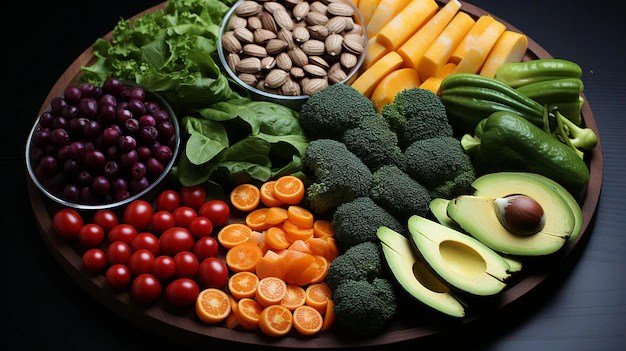
The modern world often feels like a constant stream of health advice, leaving many of us overwhelmed and unsure where to begin. Yet, at its core, the journey toward lasting wellness boils down to a few fundamental Dietary & Lifestyle Specifics that, when consistently applied, can dramatically transform your health trajectory. This isn't about fleeting fads or restrictive regimens; it's about cultivating sustainable habits that foster vitality, prevent disease, and empower you to live your fullest life. Think of it as your practical guide to building a robust foundation for years to come.
At a Glance: Your Blueprint for Better Health
- Eat Smart, Not Just Less: Focus on a diverse, whole-food diet rich in fruits, vegetables, whole grains, lean proteins, and healthy fats.
- Move Your Body Daily: Aim for at least 150 minutes of moderate or 75 minutes of vigorous activity each week. Make movement a natural part of your day.
- Balance Your Calories: Understand your body's energy needs and match intake with expenditure to maintain a healthy weight.
- Quit Tobacco: Eliminate smoking, vaping, and all tobacco products – and avoid secondhand exposure. It's a non-negotiable for long-term health.
- Prioritize Sleep: Quality rest is as crucial as diet and exercise for physical and mental recovery.
- Manage Stress Effectively: Find healthy outlets to cope with daily pressures, protecting both your mind and body.
- Read Labels: Become an informed consumer, looking for less sodium, added sugars, and saturated fat in packaged foods.
- Consistency Over Perfection: Small, incremental changes sustained over time yield far greater results than drastic, short-lived efforts.
The Foundation: Why Your Choices Matter So Much
Every bite you take, every step you make, and every hour you sleep contributes to the complex mosaic of your health. These aren't isolated acts but interconnected elements that, over time, either build resilience or sow the seeds of chronic illness. Major health organizations like the American Heart Association (AHA) and the Mayo Clinic consistently emphasize that a healthy lifestyle is the cornerstone for preventing and managing conditions ranging from cardiovascular disease and type 2 diabetes to certain cancers and even mental health issues. It's the cumulative impact of your daily habits that truly counts, creating a powerful ripple effect across all aspects of your well-being.
Mastering Your Plate: Crafting a Sustainable, Nourishing Diet
Your diet is arguably the single most impactful lever you can pull for optimal health. It's less about deprivation and more about intelligent choices that fuel your body efficiently and deliciously.
Understanding Your Energy Equation: Calories In vs. Calories Out
At its most basic level, weight management comes down to a simple equation: the calories you consume versus the calories you burn. To maintain your weight, you need to use up roughly as many calories as you take in. If you want to lose weight, you need to create a deficit; to gain, a surplus.
The challenge isn't just about counting; it's about quality. A 2,000-calorie diet of highly processed foods will have a vastly different impact on your body than 2,000 calories from whole, nutrient-dense sources. Start by understanding your approximate daily caloric needs, which vary based on age, gender, and activity level. Food labels typically base nutrition information on a 2,000-calorie diet, but your personal needs might be higher or lower.
The Power of Whole Foods: Building Your Core Diet
The AHA's recommendations lean heavily on an overall healthy dietary pattern that emphasizes:
- A Wide Variety of Fruits and Vegetables: These are your nutrient powerhouses, packed with vitamins, minerals, fiber, and antioxidants. Aim to "eat the rainbow" across meals, ensuring a diverse intake that supports everything from immune function to digestive health. Whether fresh, frozen, or canned (just watch for added sugar and sodium), make them the star of your plate.
- Whole Grains and Products Made Up Mostly of Whole Grains: Think oats, quinoa, brown rice, whole wheat bread, and whole-grain pasta. These provide sustained energy, essential fiber for digestive health, and can help manage blood sugar levels more effectively than refined grains. Look for "whole grain" as the first ingredient on labels.
- Healthy Sources of Protein: Protein is crucial for building and repairing tissues, enzyme production, and satiety. Prioritize:
- Plants: Legumes (beans, lentils, chickpeas), nuts, seeds, and tofu are excellent sources, often coming with a bonus of fiber and healthy fats. For those exploring entirely plant-based eating, the culinary scene offers a wealth of options, with many discovering the joys of a healthy vegan restaurant downtown Montreal as a starting point.
- Fish and Seafood: Rich in omega-3 fatty acids, which are vital for heart and brain health. Aim for at least two servings per week.
- Low-fat or Fat-free Dairy: Provides calcium and protein without excessive saturated fat.
- Lean and Unprocessed Meat/Poultry (if you eat it): Choose leaner cuts and cooking methods that don't add unhealthy fats. Avoid processed meats like bacon, sausage, and deli meats, which are often high in sodium and unhealthy fats.
- Liquid Non-Tropical Vegetable Oils: Canola, corn, olive, soybean, and sunflower oils are good choices for cooking and dressings. They contain healthier unsaturated fats. Limit solid fats like butter, lard, and coconut oil, which are higher in saturated fat.
- Minimally Processed Foods: The less tinkering done to your food before it reaches your plate, the better. Minimally processed foods retain more of their natural nutrients and fewer unhealthy additives. This means choosing a whole apple over apple juice, or plain oats over sugary instant oatmeal.
Minimizing the "Bad Actors": Added Sugars, Salt, and Unhealthy Fats
While it's important to focus on what to eat, it's equally crucial to be mindful of what to limit:
- Added Sugars: These lurk in everything from sodas and desserts to seemingly healthy yogurts and breakfast cereals. They contribute empty calories, can lead to weight gain, and increase the risk of chronic diseases. The AHA recommends limiting added sugars to no more than 6% of daily calories. Read labels carefully for hidden sugars, often listed as corn syrup, fructose, sucrose, dextrose, or maltose.
- Foods Prepared with Little or No Salt (Sodium): Excessive sodium intake contributes to high blood pressure, a major risk factor for heart disease and stroke. Aim for less than 2,300 mg of sodium per day, and ideally closer to 1,500 mg for most adults. Use herbs and spices to flavor your food instead of relying on salt. Many processed and packaged foods are surprisingly high in sodium.
- Saturated and Trans Fats: While some saturated fat is found naturally in healthy foods, a diet high in red meat, full-fat dairy, and processed snacks contributes to elevated LDL ("bad") cholesterol levels. Trans fats, often found in partially hydrogenated oils, are even worse for heart health and should be avoided entirely.
Navigating Beverages: Water is King, Limit Alcohol
- Water: The most essential beverage. Stay well-hydrated throughout the day.
- Sweetened Beverages: Sodas, fruit juices with added sugar, and many specialty coffees are major sources of added sugars and empty calories. Opt for water, unsweetened tea, or sparkling water with a slice of fruit.
- Alcohol Intake: The AHA recommends limited or preferably no alcohol intake. If you do drink, do so in moderation—up to one drink per day for women and up to two drinks per day for men.
Eating Out & Special Dietary Needs: Making Smart Choices Anywhere
You don't have to sacrifice your health goals when dining out or managing specific dietary requirements. The key is awareness and proactive choices.
- Restaurant Strategies: Look up menus online before you go. Choose grilled, baked, or steamed options over fried. Ask for sauces and dressings on the side. Don't be afraid to customize your order. Even if you're exploring diverse culinary offerings, like trying to find the best Halal delivery Montreal, you can still prioritize options that fit your healthy eating pattern.
- Reading Labels on Packaged Foods: Whether you're at the grocery store or ordering a prepared meal, checking the "Nutrition Facts" and ingredient list is crucial. Look for items with less sodium, added sugars, and saturated fat. The Heart-Check mark from the American Heart Association can also be a helpful guide.
- Adapting for Specific Needs: Many people navigate dietary sensitivities or preferences, such as a gluten intolerance or celiac disease. The good news is that restaurants are increasingly accommodating. For instance, finding gluten-free restaurants on the Plateau is much easier now than ever before, highlighting a growing awareness of diverse dietary needs. The principles of whole foods and mindful eating still apply, simply with an added layer of ingredient scrutiny.
Moving Your Body: The Indispensable Role of Physical Activity
Beyond diet, regular physical activity is a non-negotiable component of a healthy lifestyle. It's not just about burning calories; it's about strengthening your heart, building muscle, improving mood, boosting energy, and enhancing cognitive function.
Meeting the Minimums, Aiming for More
The AHA recommends at least 150 minutes of moderate-intensity physical activity or 75 minutes of vigorous-intensity physical activity (or an equal combination of both) each week. Ideally, this activity should be spread throughout the week, rather than crammed into one or two sessions.
- Moderate activity includes brisk walking, swimming, dancing, or cycling at a casual pace. You should be able to talk, but not sing.
- Vigorous activity includes running, high-intensity interval training (HIIT), or a fast-paced sport. You'll be breathing hard and have difficulty speaking more than a few words.
Remember, every minute counts. Even short bursts of activity, like a 10-minute walk, add up over the day and contribute significantly to your weekly goal.
Making Movement a Daily Habit
Integrating physical activity into your daily routine is key to making it sustainable. You don't need a gym membership to be active:
- Take the Stairs: Skip the elevator or escalator.
- Park Farther Away: Add a few extra steps to your errands.
- Walk or Bike: For short commutes or daily tasks.
- Active Breaks: Stand up and stretch, walk around your office, or do a few squats during commercials.
- Household Chores: Gardening, cleaning, and yard work are all forms of physical activity.
- Find Activities You Enjoy: If exercise feels like a chore, you won't stick with it. Experiment with different activities—hiking, dancing, yoga, team sports—until you find something that brings you joy.
Regular physical activity helps you maintain your weight, keep off lost weight, and significantly improve your physical and cardiovascular fitness.
Beyond Food and Movement: Holistic Lifestyle Pillars
Optimal health isn't just about what you eat and how much you move; it's a holistic endeavor that encompasses several other crucial lifestyle factors.
Saying No to Tobacco: A Non-Negotiable Step
This one is simple and absolute: live tobacco-free. Don't smoke, vape, or use any tobacco or nicotine products. Furthermore, actively avoid secondhand smoke or vapor, as it carries many of the same risks. Tobacco use is a leading cause of preventable death globally, directly contributing to heart disease, stroke, cancer, and numerous other chronic conditions. There is no safe level of tobacco exposure. If you currently use tobacco, seeking support to quit is one of the most powerful steps you can take for your health.
Prioritizing Rest: The Power of Quality Sleep
Sleep is not a luxury; it's a biological necessity. During sleep, your body repairs itself, consolidates memories, and regulates hormones crucial for appetite, mood, and energy levels. Chronic sleep deprivation is linked to increased risk of obesity, diabetes, heart disease, and impaired cognitive function.
Aim for 7-9 hours of quality sleep per night. To improve your sleep hygiene:
- Stick to a consistent sleep schedule, even on weekends.
- Create a relaxing bedtime routine.
- Ensure your bedroom is dark, quiet, and cool.
- Limit screen time before bed.
- Avoid caffeine and heavy meals close to bedtime.
Managing Stress: A Quiet Killer
In our fast-paced world, stress is often unavoidable, but how you manage it makes all the difference. Chronic stress elevates cortisol levels, which can lead to weight gain, high blood pressure, weakened immune function, and mental health issues like anxiety and depression.
Develop healthy coping mechanisms:
- Mindfulness and Meditation: Even a few minutes a day can make a difference.
- Physical Activity: A great stress reliever.
- Hobbies and Interests: Engage in activities you enjoy.
- Social Connection: Spend time with loved ones.
- Time Management: Prioritize tasks and learn to say no.
- Seek Professional Help: Don't hesitate to talk to a therapist or counselor if stress feels overwhelming.
Common Questions & Unpacking Misconceptions
When it comes to Dietary & Lifestyle Specifics, there's no shortage of advice, often conflicting. Let's clear up some common areas of confusion.
"Is one diet truly better than all others?"
No, not definitively. While various dietary approaches—Mediterranean, DASH, plant-based, etc.—have strong scientific backing, the "best" diet is the one you can sustain long-term and that meets your individual needs and preferences. What all effective healthy eating patterns share is an emphasis on whole, unprocessed foods, ample fruits and vegetables, lean proteins, and healthy fats, while limiting added sugars, unhealthy fats, and excessive sodium. Focus on the pattern and consistency, not just the name of a diet.
"Do I need to be perfect all the time?"
Absolutely not. Perfection is the enemy of progress. Striving for 100% adherence to any strict diet or exercise regimen is often unsustainable and can lead to feelings of failure and giving up entirely. The key is consistency and aiming for healthy choices most of the time. Think 80/20 rule: make nutritious choices 80% of the time, and allow for flexibility and occasional indulgences in the other 20%. It's the overall pattern of your choices that delivers long-term benefits, not isolated slip-ups.
"Is it too late to start making changes?"
It is never too late. The human body is remarkably resilient and capable of healing and adapting. Even small, consistent changes can lead to significant improvements in health outcomes at any age. Whether you're 25 or 75, adopting healthier dietary and lifestyle specifics can reduce your risk of chronic diseases, improve your quality of life, and add healthy years to your lifespan. The sooner you start, the greater the cumulative benefit, but any day is a good day to begin.
Your Personalized Path to Wellness: Taking the Next Steps
Embracing optimal Dietary & Lifestyle Specifics is a journey, not a destination. It's about ongoing learning, adapting to your body's needs, and finding joy in the process of self-care.
- Start Small, Build Gradually: Don't overhaul everything at once. Pick one or two areas to focus on first. Maybe it's adding a vegetable to every meal, taking a 15-minute walk daily, or swapping sugary drinks for water. Once that change feels like a habit, tackle the next one.
- Listen to Your Body: Pay attention to how different foods and activities make you feel. What gives you energy? What leaves you feeling sluggish? This self-awareness is your most powerful guide.
- Seek Professional Guidance: If you have specific health concerns, chronic conditions, or simply feel lost, consult with healthcare professionals like your doctor, a registered dietitian, or a certified personal trainer. They can provide personalized advice tailored to your unique needs.
- Be Patient and Kind to Yourself: There will be good days and challenging days. Don't let setbacks derail your entire effort. Acknowledge your progress, forgive your missteps, and recommit to your goals with compassion.
By thoughtfully applying these core dietary and lifestyle specifics, you're not just managing your health; you're actively building a more vibrant, resilient, and fulfilling future for yourself. It’s a powerful investment that pays dividends every single day.