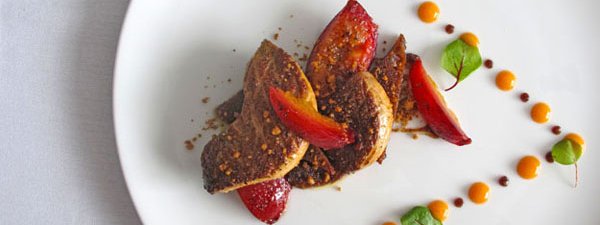
Navigating Montreal's vibrant culinary scene can feel like an exquisite challenge, especially when the allure of a multi-course journey calls. Many assume that experiencing a fine dining restaurants montreal tasting menu experience always comes with a prohibitive price tag. While some certainly reach for the stars, the reality is far more nuanced, offering a spectrum of culinary adventures that cater to different budgets and palates. This article delves into the art of the tasting menu in Montreal, guiding you through its diverse landscape, from surprising value to ultimate indulgence.
At a Glance
- Discover diverse price points: Montreal's tasting menus range from incredibly affordable to luxurious, challenging the notion of uniform high cost.
- Identify unique culinary philosophies: Understand how chefs like Marc-André Jetté (Hoogan et Beaufort) or Antonin Mousseau-Rivard (Le Mousso) express their vision through their menus.
- Match your mood and budget: Learn to select the perfect tasting menu based on your desired ambiance, cuisine type, and spending comfort.
- Uncover hidden gems and special deals: Find establishments offering weekday specials, lunch options, or BYOW policies that enhance value.
- Prepare for an immersive dining event: Get tips on how to make the most of your tasting menu journey, from reservations to pairings.
Deconstructing the Montreal Tasting Menu: An Immersive Culinary Journey
A tasting menu is more than just a meal; it's a curated narrative, a sequence of small, artfully presented dishes designed to showcase a chef's creativity, seasonal ingredients, and culinary philosophy. In Montreal, this concept truly thrives, with chefs leveraging Quebec's rich produce and diverse cultural influences to craft unforgettable experiences. Each course builds upon the last, offering a progression of flavors, textures, and aromas that can surprise and delight.
Montreal's chefs approach tasting menus with distinct personalities. Some, like Chef Normand Laprise at Toqué, focus on essentially Québécois dishes executed with sharp technique. Others, such as Chef Antonio Park, transport diners to Japan with his precise omakase selections. The beauty lies in this variety, ensuring that whether you're a seasoned gourmand or a curious newcomer, there’s a narrative waiting to unfold for you.
Navigating Price Points: From Entry-Level to Extravagance
The cost of a tasting menu in Montreal can vary significantly, reflecting the ingredients, labor, wine program, and overall reputation of the establishment. Don't let the initial perception of "fine dining" deter you; many restaurants offer accessible entry points into this world.
Budget-Conscious Gems: Experiencing Value Without Compromise
It's entirely possible to enjoy a sophisticated tasting menu without breaking the bank. These establishments prove that thoughtful culinary execution doesn't always demand a premium price.
- Saint Sushi Bar (multiple locations): For an astonishingly affordable entry into tasting menus, look no further. Their $34 tasting menu, including creative items like "Christmas Tree Tartare," is an excellent way to sample diverse sushi preparations. Note that alcohol is only served at the Westmount location, so plan accordingly if a drink pairing is part of your ideal evening.
- Île Flottante: This gem offers three versions of a vegetable-focused tasting menu at $45, $65, or $85. Owners Sean Murray Smith and Nada Abou Younes showcase produce creatively, making it a compelling choice for those seeking innovative, plant-forward dining. It’s a testament to how vibrant and satisfying a non-meat-centric menu can be.
- Provisions: Daily surprise menus are their specialty here, with 5 courses for $65 or 7 courses for $75. Their focus on local producers and sustainable practices means the menu constantly evolves based on available ingredients, ensuring a fresh and exciting experience every visit.
- Prince: Offering a 6-service classically French-leaning tasting menu for $75, Prince stands out with its BYOW policy. This dramatically reduces the overall cost, allowing you to bring a cherished bottle without additional markups, making a refined French experience more accessible. A smaller $120 shared menu for two is also available, providing flexibility.
- Hoogan et Beaufort: Chef Marc-André Jetté crafts a 5-course "rustic" haute-cuisine menu for $75. The in-house fire pit adds a unique element to the cooking, imbuing dishes with a distinctive smoky character. A wine pairing option is available for an additional $45, but the base price remains highly competitive for the quality.
- Montréal Plaza: While slightly higher at $85 per person, Montréal Plaza's fixed-price sharing menu is worth considering. Known for its unique, seasonal, and eccentric dishes, it provides a dynamic and communal dining experience that encourages exploration and conversation.
To discover even more strategies for enjoying exquisite meals without the extravagant bill, you might want to explore how to Unlock affordable fine dining more broadly, as many principles apply across different restaurant types.
Mid-Range Maestros: Elevated Experiences with Notable Value
Stepping up slightly in price often means a more elaborate experience, perhaps more courses, finer ingredients, or a more curated wine program.
- Damas: For a truly distinct culinary journey, Damas offers a $95 tasting menu dedicated to exploring Syrian delicacies. This is a wonderful opportunity to delve into a rich and flavorful cuisine that might be less common in traditional fine dining, featuring items like hummus and fattoush salad prepared with exquisite care.
- Park: Chef Antonio Park's Japanese cuisine is renowned, and his omakase menus offer a fantastic way to experience it. A dinner omakase is priced at $95 per person, while a lunch option starts from $65 per person. Omakase, meaning "I'll leave it up to you," is a trust-based experience where the chef selects and serves a sequence of dishes, typically sushi and other Japanese preparations, based on the freshest ingredients of the day.
- Pastel: Co-owners Kabir Kapoor and Jason Morris deliver a "gastronomic experience" for $120. However, Pastel offers a compelling deal with a $59 option on Wednesdays, Thursdays, and Sundays. This kind of weekday special is a prime example of how to access high-caliber dining at a significantly reduced price point, allowing you to enjoy their noted flair and sublime execution.
- Candide: Chef-owner John Winter Russell's 4-course tasting menu is built around local and seasonal ingredients with a constantly rotating wine list. While specific pricing can fluctuate with seasonality, Candide consistently offers a sophisticated yet approachable take on Quebecois cuisine, with the added charm of a summer terrace option. The focus here is on the purity of ingredients and thoughtful preparation.
Splurge-Worthy Sanctuaries: Unforgettable Indulgences
When the occasion calls for an uncompromising culinary spectacle, Montreal delivers with some of the country's most celebrated establishments.
- Bouillon Bilk: A fine-dining establishment known for wonderful service, Bouillon Bilk's tasting menu is complemented by a private import wine list tailored specifically to enhance each course. While the menu price isn't explicitly stated in the provided information, its reputation places it firmly in the premium category, promising a seamless and refined experience.
- Le Mousso: Chef Antonin Mousseau-Rivard's 7-course tasting menu is the sole option here, priced at $140. With wine pairings available for an additional $55 or $90, Le Mousso is dedicated to innovative uses of Quebec produce, pushing boundaries and challenging perceptions of local ingredients. It's a truly avant-garde experience.
- Toqué!: A cornerstone of Montreal's fine dining scene, Chef Normand Laprise's 7-course menu comes in at $142. Toqué! is celebrated for its focus on essentially Québécois dishes executed with razor-sharp technique. Four distinct wine pairing options are available, allowing guests to tailor their beverage journey to their preference. It's a benchmark for refined Canadian cuisine.
Beyond the Price Tag: What Defines a Great Tasting Menu
While cost is a significant factor, the true value of a tasting menu lies in the entire experience. Consider these aspects when making your selection.
Culinary Journeys: Diverse Flavors & Concepts
Montreal's tasting menus are a global tapestry of flavors and culinary philosophies.
- Québécois & French Innovations: Experience the "rustic" haute-cuisine of Hoogan et Beaufort with its unique fire pit cooking, or the classic French-leaning menu at Prince. Toqué! and Le Mousso take Quebec produce to innovative heights, demonstrating a deep connection to local terroir.
- Global Explorations: Damas offers a rare opportunity to savor Syrian delicacies through a thoughtfully curated menu. Park provides a refined Japanese omakase, a culinary art form rooted in trust and seasonality. For Italian inspiration, though not explicitly offering a tasting menu, Le Serpent is known for its Italian-inspired fare in an industrial chic setting, and Primo & Secondo for "la bella vita."
- Vegetable-Forward Vision: Île Flottante stands out with its creative, vegetable-focused tasting menus, proving that meatless dining can be both sophisticated and deeply satisfying. This is a crucial consideration for vegetarians or those simply looking for a fresh perspective.
- The Element of Surprise: Provisions embraces daily surprise menus, making each visit a unique adventure based on the freshest local ingredients available. This requires a certain level of trust in the chef, but it often yields delightful results.
Pairing Perfection: Wine, Non-Alcoholic, and BYOW
The beverage component of a tasting menu is often as crucial as the food itself.
- Expert Wine Pairings: Most high-end establishments, like Toqué! and Le Mousso, offer multiple wine pairing options, meticulously chosen to complement each dish. Bouillon Bilk is particularly noted for its private import wine list, tailored to its menu. These pairings are designed to elevate the flavors and create a harmonious experience.
- Non-Alcoholic Alternatives: Increasingly, fine dining establishments are offering sophisticated non-alcoholic pairings, featuring house-made juices, infusions, and mocktails. While not explicitly detailed for all restaurants in the provided context, it's always worth inquiring if you prefer not to consume alcohol.
- BYOW Advantage: Prince offers a significant advantage with its Bring Your Own Wine (BYOW) policy. This allows diners to enjoy a high-quality meal while managing beverage costs, or to pair with a special bottle from their personal collection. Always check a restaurant's corkage fee and policy beforehand.
The Ambiance Equation: Setting the Scene
The atmosphere profoundly influences your dining experience. Montreal's tasting menu restaurants offer a range of vibes.
- Intimate & Cozy: Some establishments, like Beba, promise unique cuisine in an intimate and cozy dining room, perfect for a romantic evening or quiet conversation.
- Modern & Chic: Le Serpent is celebrated for its industrial chic design, offering a stylish backdrop for its Italian-inspired menu. Similarly, Marcus Restaurant + Terrace offers a contemporary space.
- Historic & Grand: While not strictly tasting menu focused, historical venues like Chez Delmo (opened 1934) or the classic elegance of Maison Boulud (for a Michelin-star type experience) provide a sense of occasion.
- Unique Features: The in-house fire pit at Hoogan et Beaufort creates a rustic yet refined atmosphere, while Candide offers a charming summer terrace.
Making Your Choice: A Practical Playbook
Selecting the right fine dining restaurants Montreal tasting menu experience involves a bit of homework, but the payoff is a memorable meal tailored to your preferences.
Step 1: Define Your Budget & Vibe
Before you even look at restaurant names, get clear on what you're looking for.
- What's your comfortable price range? Be realistic. Are you aiming for under $100 per person, or is a $150+ experience acceptable for a special occasion? Remember to factor in potential wine pairings or BYOW corkage fees.
- What kind of ambiance do you prefer? Formal and hushed, or lively and experimental? Intimate or grand?
- What's the occasion? A casual weeknight treat, a romantic anniversary, a business dinner, or a celebration with friends? This will guide your choice between, say, the relaxed vibe of Saint Sushi Bar or the refined elegance of Toqué!.
- Dietary considerations? Are you vegetarian (making Île Flottante a strong contender), or do you have other allergies? This should be your first filter.
Step 2: Research & Reservations: Key Considerations
Once you have a general idea, dive into the specifics.
- Leverage Special Deals: Actively look for weekday specials, lunch tasting menus, or off-peak pricing. Pastel's $59 option on specific days is a prime example of how to access top-tier dining at a fraction of the cost. Lunch omakase at Park starting at $65 also offers a more accessible entry point.
- Check BYOW Policies: If managing beverage costs is a priority, prioritize restaurants like Prince that allow you to bring your own wine. Always confirm corkage fees in advance.
- Read Recent Information: Menus and prices can change, especially with seasonal establishments like Provisions or Candide. Always check the restaurant's official website or call directly for the most current information.
- Book in Advance: High-demand tasting menu restaurants, especially those offering exceptional value or unique experiences, often require reservations well in advance. For places like Le Mousso or Toqué!, planning weeks, if not months, ahead is often necessary.
- Communicate Dietary Needs Clearly: When making your reservation, clearly state any allergies, intolerances, or dietary preferences. This gives the kitchen ample time to prepare and ensure your tasting menu is safe and enjoyable. Restaurants like Île Flottante with their vegetable-focused menus are often inherently more adaptable.
Step 3: Maximizing Your Experience
Once your reservation is set, prepare to fully immerse yourself.
- Arrive on Time: A tasting menu is a choreographed experience. Arriving late can disrupt the kitchen's flow and affect the pacing of your meal.
- Be Open-Minded: Part of the joy of a tasting menu is trying new ingredients and preparations you might not typically order. Trust the chef's vision.
- Engage with the Staff: Servers are often highly knowledgeable about each dish and its components, as well as the wine pairings. Don't hesitate to ask questions.
- Pace Yourself: Small courses can add up. Savor each bite and don't feel pressured to rush.
- Consider the Wine Pairing: If within budget, a sommelier-selected wine pairing can profoundly elevate the dining experience, as is the case at Bouillon Bilk or Toqué!. However, if you're at a BYOW spot like Prince, choose a wine that can stand up to a variety of flavors or consult with a sommelier beforehand on what type of wine best complements a multi-course menu.
Quick Answers: Common Questions About Montreal Tasting Menus
Q: Are tasting menus always very expensive in Montreal?
A: No, absolutely not. While high-end options exist, Montreal offers a surprising range of affordable tasting menus. You can find options starting as low as $34 at Saint Sushi Bar, or choose vegetable-focused menus at Île Flottante from $45, or surprise menus at Provisions from $65. Weekday specials, like those at Pastel, also make fine dining more accessible.
Q: Do I need to dress up for a fine dining tasting menu in Montreal?
A: For many high-end establishments like Toqué! or Le Mousso, business casual to smart casual is generally recommended. For more casual spots like Saint Sushi Bar or Provisions, neat casual is perfectly acceptable. It's always best to check the restaurant's website or call if you're unsure, but err on the side of being slightly overdressed.
Q: Can I customize a tasting menu if I have allergies or dietary restrictions?
A: Most fine dining restaurants are adept at accommodating dietary needs, especially for tasting menus. It is crucial to inform them of any allergies or restrictions when making your reservation and again upon arrival. Restaurants like Île Flottante inherently cater to specific preferences with their vegetable-focused options. Always communicate clearly and in advance.
Q: Is wine pairing mandatory with a tasting menu?
A: No, wine pairing is almost always optional. You can often choose to order by the glass, select a bottle from the wine list, or in some cases, bring your own wine (BYOW), as is the policy at Prince. However, a well-executed wine pairing is designed to enhance the culinary journey, and many diners find it significantly elevates the experience.
Q: How long does a tasting menu experience typically last?
A: A tasting menu experience can range from 1.5 to 3 hours or even longer, depending on the number of courses, the restaurant's pacing, and whether you opt for wine pairings. It's an immersive experience meant to be savored, so allow ample time and don't plan anything immediately afterward.
Your Next Culinary Adventure Awaits
Montreal's fine dining scene is a treasure trove of tasting menu experiences, each offering a unique narrative through food. Whether you're seeking a budget-friendly exploration of innovative cuisine or a no-holds-barred splurge, the city provides an array of choices that cater to every desire. The key is to approach it with a clear understanding of your preferences and a willingness to explore. By considering the chef's philosophy, the potential for creative pairings, and the overall ambiance, you can confidently navigate the options and secure a memorable evening. Don't just dine; immerse yourself in the art and passion that goes into every fine dining restaurants montreal tasting menu experience.